Personal Branding Tips for Founders
Investors, hires, customers, and reporters all search the founder before they trust the company. Here's how to build a personal brand that earns that trust instead of performing it.
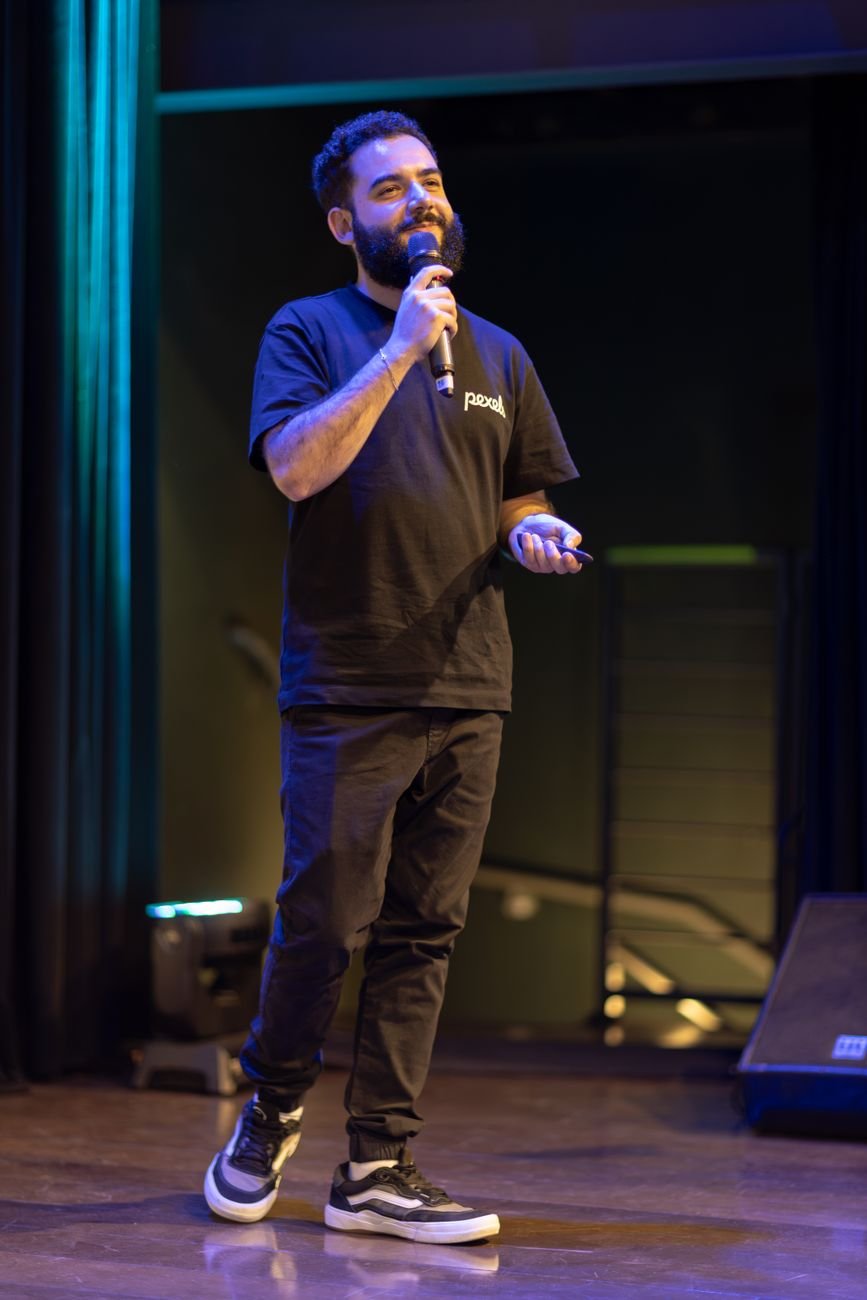
Before a venture partner takes a first call, someone on the team has already read the founder's last ten posts, skimmed their old company bio, and checked what shows up on page one of a search. A senior engineer weighing an offer does the same homework. So does a reporter deciding whether the launch is worth a story. A company's reputation starts, quietly, with the founder's, which is why personal branding tips for founders matter long before a pitch deck reaches anyone outside the building.
Most advice on this subject collapses into a single instruction: post more. That's a poor fit for founders, because volume alone reads as noise, and noise reads as insecurity. Founders whose names carry weight in a room they haven't entered yet share a different pattern. They're known for something specific. They've made their thinking legible in one or two places rather than scattered across every platform that exists. And what they say in public matches what people find when they check.
Personal branding tips for founders start with clarity, not content
The first real decision isn't which platform to use. It's what you want to be known for. A founder who is known for a clear point of view on their industry, a specific kind of product judgment, or a well-argued stance on how their category should work is easy to introduce, easy to quote, and easy to trust. A founder who posts about whatever is trending that week is none of those things. Before writing anything public, spend time answering a narrower question than "what should I post": what is the one idea, argument, or area of expertise you want people to associate with your name. Everything else gets built on top of that answer.
Own your search results before someone else defines them
If your name doesn't return anything substantial, the gap gets filled by other people's guesses, an outdated bio, or a stray mention on a list nobody vetted. A founder's job here isn't to manufacture buzz. It's to make sure your search results actually represent the work: a current bio, a few pieces of writing or commentary that show how you think, and accurate details about the company. This is basic hygiene, not vanity. Investors, candidates, and reporters form an impression in the first sixty seconds of searching, and that impression is hard to walk back once it sets.
Pick one or two channels and go deep
Spreading effort across five platforms usually produces five mediocre presences instead of one strong one. Pick the channel where your actual audience already spends time and where the format suits how you naturally communicate. For most founders selling into companies, that means a focused LinkedIn presence built around a small number of substantive posts rather than a constant stream of updates. For founders selling to consumers or building in public, it might mean a newsletter or a single platform where product decisions and lessons get shared directly. Depth beats breadth here. A founder with one channel and a real point of view outperforms a founder with accounts everywhere and opinions nowhere.
Write with a point of view, not a highlight reel
The founders people actually remember tend to argue for something. They take a position on how their industry should change, name what they think is broken, or explain a decision they made and why they'd make it again. Announcements and funding news have their place, but they don't build credibility on their own, because they're not really about ideas. A useful test before publishing anything: could a competitor have posted the exact same thing? If yes, it's probably a highlight, not a point of view, and it won't do much for how people perceive you.
Consistency over virality
A single post that reaches a huge audience feels good and rarely changes how anyone perceives you a month later. What changes perception is showing up with the same voice and the same set of concerns often enough that people start to expect it from you. That might mean one thoughtful post a week instead of ten scattered ones. It might mean a quarterly essay instead of daily commentary. The cadence matters less than the pattern: recognizable ideas, recognizable voice, delivered on a rhythm you can actually sustain without burning out or, worse, going quiet for months at a time.
Use your founder story to sell, without oversharing
Your personal story, why you started the company, what problem you kept running into, what you noticed that others missed, is a legitimate sales tool. It gives people a reason to root for the outcome, not just evaluate the features. The line to watch is between narrative and disclosure. Sharing the insight that led to the company is useful. Sharing every internal struggle, every team conflict, or every metric in real time usually isn't; it can undermine confidence in the business and put colleagues in an awkward position. Keep the story focused on what illuminates the mission and the product, and be more careful with anything that reads as unfiltered access to the company's internal life.
Done well, this kind of trust transfers directly to the company. Customers who trust the founder's judgment extend some of that trust to the product before they've tried it. Candidates who respect how a founder thinks are more willing to take a pay cut for the mission. Reporters who've read a founder's actual arguments are more likely to cover the company accurately instead of reaching for a generic frame.
The traps that undermine founder credibility
- Chasing engagement instead of accuracy, which trains you to write things designed to provoke reactions rather than things you'd stand behind a year later.
- Claiming expertise you don't have, which is easy to spot and hard to recover from once someone in your own industry notices.
- Trying to be active everywhere at once, which spreads a founder's limited time so thin that no single presence ever gets strong enough to matter.
- Treating personal brand as a marketing task delegated entirely to someone else, when the credibility only works if the voice is recognizably the founder's own.
None of this requires charisma or a talent for self-promotion. It requires clarity about what you're known for, discipline about where you show up, honesty about what you actually know, and enough consistency that people start to recognize the pattern. Get that right, and the personal brand stops being a side project and becomes one of the more durable assets the company has, one that keeps working even on the days nobody is actively selling.
Want your name to look the way it should on Google?
Knownly builds and ranks truthful content about you so the results that represent you best are the ones people see first.
See how Knownly works →